Showing posts with label W.H. Auden. Show all posts

Thursday, January 20, 2011

Off the Shelf Archive - January #2

It's once again time to refresh the Off the Shelf selection before the month of January swoops completely past, so W.H.Auden's excellent As I Walked Out One Evening is brought to the front to make room for a poem by the great Chilean poet Pablo Neruda. Neruda (born Ricardo Eliezer NeftalĂ­ Reyes Basoalto) won the Pulitzer Prize for literature in 1971, and  wrote in a wide range of forms and styles, from erotica to surrealism, from the short and direct to the book length and epic.

While Neruda's love poetry is unequaled, I've chosen Cat's Dream, as a poem that shows all of his gifts for image and illuminated language and is less commonly seen. It's always hard to believe reading Neruda that you're reading a translation; his words seem to be able to transcend those limitations.

As always, feel free to comment on either poem here, as comments are disabled off the main page, and also as always, suggestions for next time are welcome. I have only one rule(or only one I've made up so far, anyway,) and that's no repeats of the same poet within a year.(This keeps me from posting nothing but Wallace Stevens or Octavio Paz or whatever.) Previous Off the Shelf selections can be found here or by clicking the tag in the sidebar labeled Off the Shelf Archive.


 So without any more preamble, here's a last look at Auden's As I Walked Out One Evening:


As I Walked Out One Evening


As I walked out one evening,
     Walking down Bristol Street,
The crowds upon the pavement
     Were fields of harvest wheat.

And down by the brimming river
     I heard a lover sing
Under an arch of the railway:
    “ Love has no ending.”

“I’ll love you, dear, I’ll love you,
     Till China and Africa meet,
And the river jumps over the mountain
     And the salmon sing in the street,

“I’ll love till the ocean
     is folded and hung up to dry
And the seven stars go squawking
     Like geese about the sky.

The years shall run like rabbits,
     For in my arms I hold
The Flower of the Ages,
     And the first love of the world.”

But all the clocks in the city
     Began to whir and chime:
‘O let not Time deceive you,
     You cannot conquer Time.

“In the burrows of the Nightmare
     where Justice naked is,
Time watches from the shadow
     And coughs when you would kiss.

“In headaches and in worry
     Vaguely life leaks away,
And Time will have his fancy
     Tomorrow or today.

“Into many a green valley
     Drifts the appalling snow;
Time breaks the threaded dances
     And the diver’s brilliant bow.

“O plunge your hands in water,
     Plunge them in up to the wrist;
Stare, stare at the basin
     And wonder what you’ve missed.

The glacier knocks in the cupboard,
     The desert sighs in the bed,
And the crack in the teacup opens
     A line to the land of the dead.

“Where the beggars raffle the banknotes
     And the Giant is enchanting to Jack,
And the Lily-white Boy is a Roarer,
     And Jill goes down on her back.

“O look, look in the mirror,
     O look in your distress;
Life remains a blessing
     Although you cannot bless.

“O stand, stand at the window
     As the tears scald and start;
You shall love your crooked neighbor
     With all your crooked heart.”

It was late, late in the evening,
     The lovers they were gone.
The clocks had ceased their chiming,
     And the river deep ran on.


W. H. Auden      1940

Photo: courtesy google image search

Monday, January 10, 2011

Off the Shelf Archive-January #1

Yes, it's that time again. The archivist is finally bestirring herself to get up off her dyin' rear and provide some fresh fare for the Off the Shelf page.  

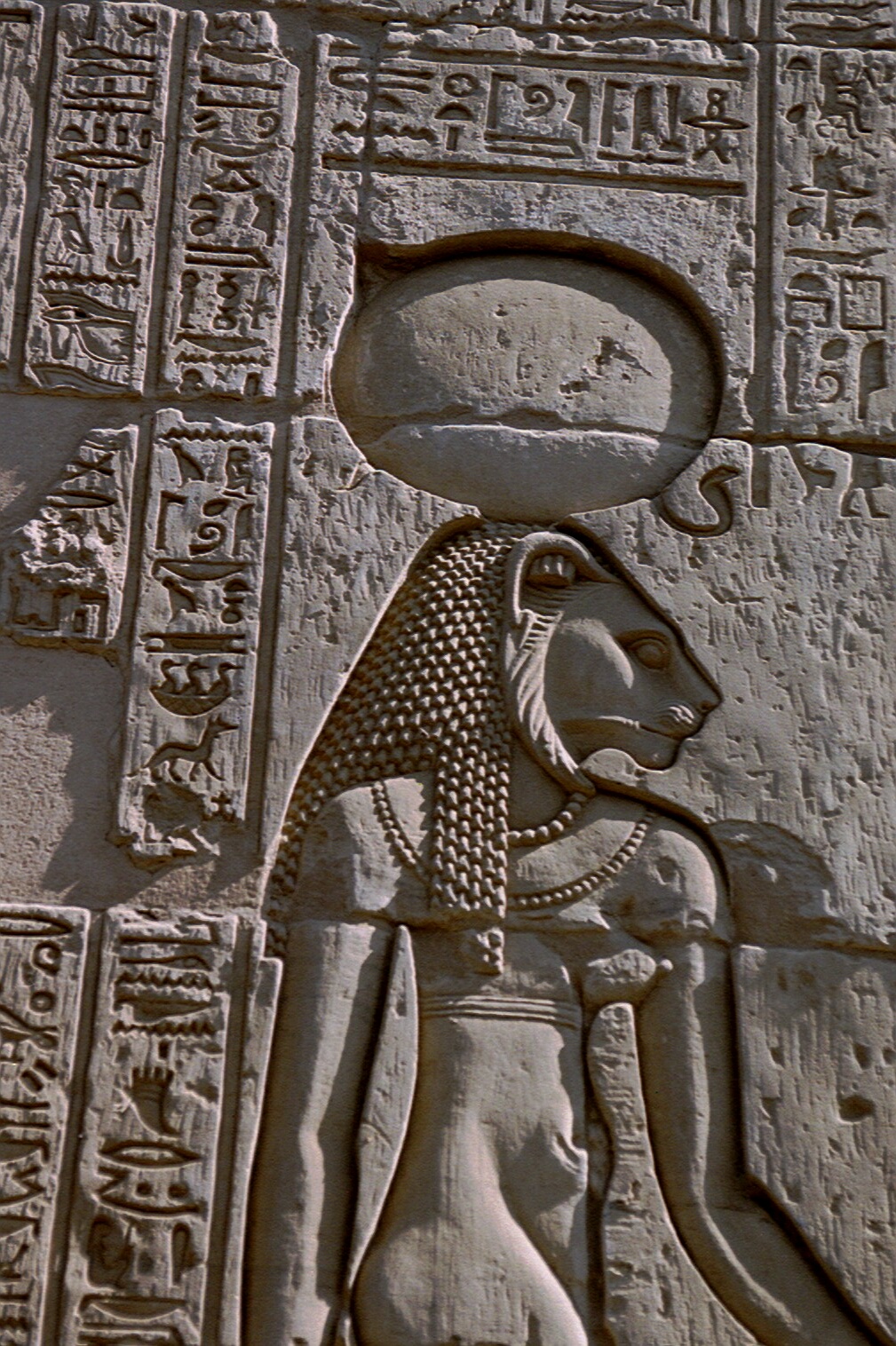
Off the Shelf features poems by my Favorite (Usually) Dead Poets, unless someone else requests a selection from one of their own favorite authors. Margaret Atwood's Sekhmet the Lion Headed Goddess of War will be dusted off and moved here, being replaced by 
As I Walked Out One Evening,   a long but rather quick read from W.H. Auden (1907-1973), Anglo-American poet known for a wide use of forms and techniques over a long and eventful career. As I Walked Out begins in a very cheery and almost commonplace manner, but read on, my friends, read on.

As always, feel free to make a suggestion for next time or to comment on either poem here, as comments are disabled off the main page. Older selections can be accessed by clicking here: 
Off the Shelf Archive     or on the label under Tags in the sidebar.


And now, Sekhmet makes her final appearance before retiring to the Archives:


Sekhmet, the Lion-Headed Goddess of War


He was the sort of man
who wouldn't hurt a fly.
Many flies are now alive
while he is not.
He was not my patron.
He preferred full granaries, I battle.
My roar meant slaughter.
Yet here we are together
in the same museum.
That's not what I see, though, the fitful
crowds of staring children
learning the lesson of multi-
cultural obliteration, sic transit
and so on.

I see the temple where I was born
or built, where I held power.
I see the desert beyond,
where the hot conical tombs, that look
from a distance, frankly, like dunces' hats,
hide my jokes: the dried-out flesh
and bones, the wooden boats
in which the dead sail endlessly
in no direction.

What did you expect from gods
with animal heads?
Though come to think of it
the ones made later, who were fully human
were not such good news either.
Favour me and give me riches,
destroy my enemies.
That seems to be the gist.
Oh yes: And save me from death.
In return we're given blood
and bread, flowers and prayer,
and lip service.

Maybe there's something in all of this
I missed. But if it's selfless
love you're looking for,
you've got the wrong goddess.

I just sit where I'm put, composed
of stone and wishful thinking:
that the deity who kills for pleasure
will also heal,
that in the midst of your nightmare,
the final one, a kind lion
will come with bandages in her mouth
and the soft body of a woman,
and lick you clean of fever,
and pick your soul up gently by the nape of the neck
and caress you into darkness and paradise. 
Margeret Atwood
Photo courtesy of wikimedia commons source link